What's Included
Why Maintenance Matters
Regular HVAC maintenance prevents costly breakdowns, improves energy efficiency by up to 15%, extends equipment life by 5 to 10 years, and maintains your manufacturer warranty. The Department of Energy recommends annual professional maintenance for all heating and cooling systems. Our Total Comfort Membership makes it easy and affordable.
How the Total Comfort Membership Pays for Itself
At $197 per year (or $16/month), the Total Comfort Membership covers two full maintenance visits (one for heating, one for cooling) that would cost more individually. But the real savings come from what maintenance prevents. A well-maintained HVAC system uses 15 to 25 percent less energy than a neglected one, according to the Department of Energy. For an average Greenville home, that translates to $150 to $400 in annual energy savings.
Members also receive 10% off all repairs and 50% off trip fees. If you need a single repair call during the year, those discounts alone can offset a significant portion of the membership cost. Add in priority scheduling (which becomes invaluable during August heat waves and January cold snaps when wait times for non-members can stretch to days), and the membership more than pays for itself.
Perhaps most importantly, maintenance extends the life of your HVAC equipment. Systems that receive regular professional care last 15 to 20 years on average, while neglected systems often fail in 10 to 12 years. Considering that a new HVAC system can cost several thousand dollars, extending your current system's life by even a few years represents significant value.
What We Inspect During Each Visit
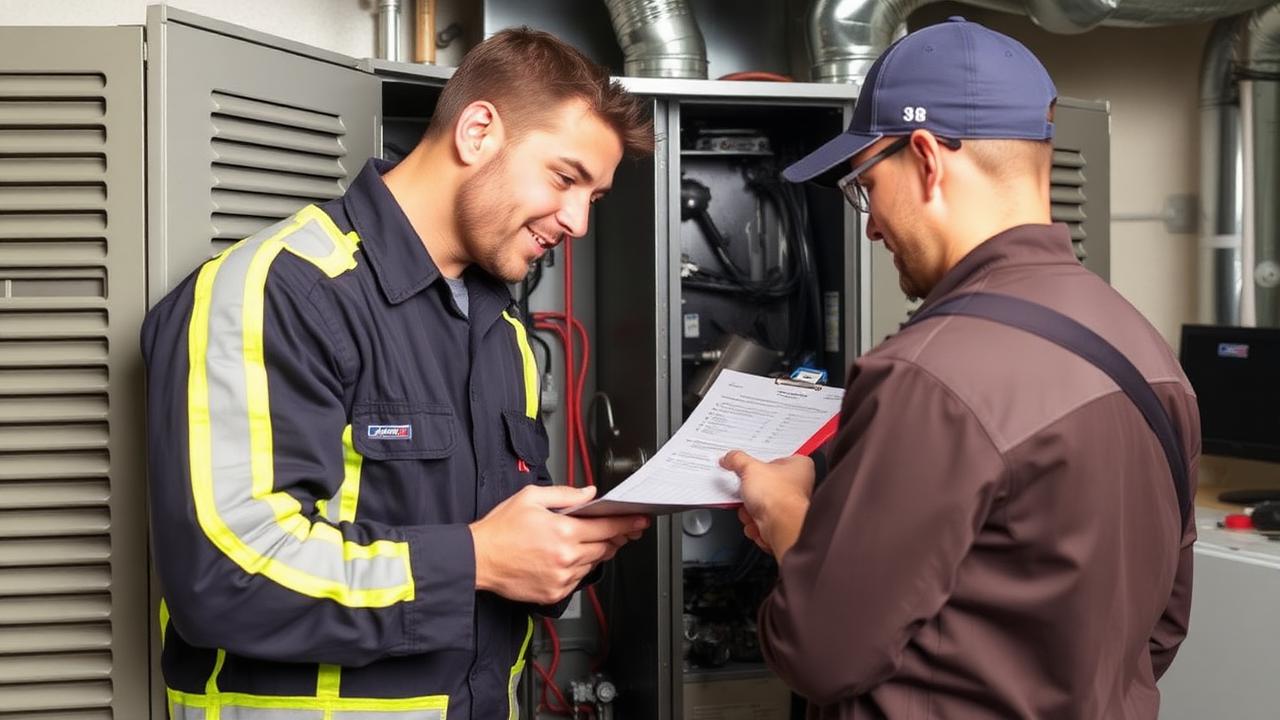
Our maintenance visits are thorough, not quick checkups. During your cooling season visit (typically spring), we perform a complete 20-point inspection that includes cleaning evaporator and condenser coils, checking refrigerant levels and testing for leaks, tightening electrical connections, calibrating your thermostat, clearing the condensate drain line, inspecting the blower motor, testing the capacitor and contactor, and evaluating overall system performance.
During your heating season visit (typically fall), we inspect the heat exchanger for cracks, test the ignition system, clean burners and adjust flame patterns, check gas pressure against manufacturer specifications, test carbon monoxide levels at supply registers, inspect and lubricate the blower motor, calibrate your thermostat for heating mode, and verify all safety controls are functioning properly.