About Our Ductless Mini-Splits Services in Inman
Energy savings from ductless systems often offset the installation cost within 3 to 5 years through reduced monthly utility bills. In Inman, these figures are particularly relevant because inman sits at the edge of the upstate's foothills, experiencing slightly cooler temperatures than communities at lower elevations. Investing in quality ductless mini-splits service and equipment pays dividends in both comfort and monthly energy savings for Inman homeowners.
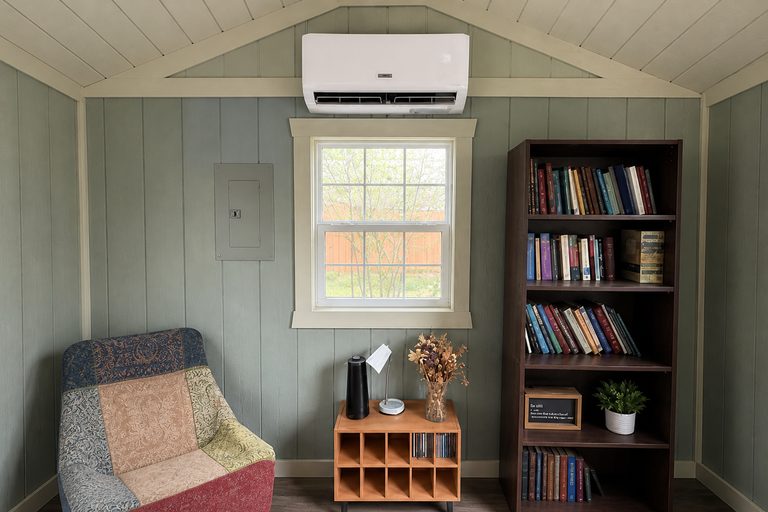
Many properties in the Inman area have a mix of construction eras, from early 20th century to modern builds. Multi-zone ductless systems can serve up to five separate rooms from a single outdoor unit, with each room maintaining its own temperature setting. Our technicians are experienced with the range of systems found throughout Inman and provide the same thorough diagnostics and quality workmanship at every home.
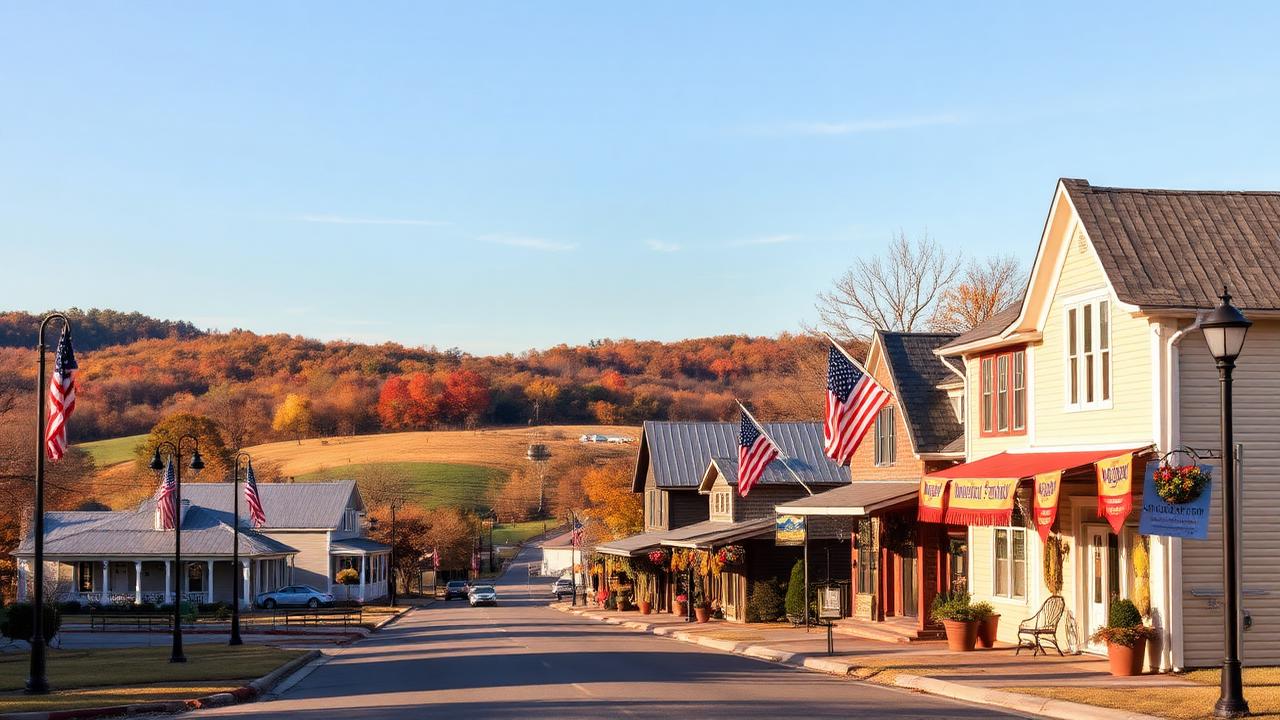
The Inman community takes pride in preserving its small-town identity even as the broader Upstate grows around it. Many homeowners here are maintaining family properties that have been passed down through generations. We approach these homes with respect, understanding that the goal is often to preserve the home's character while adding modern comfort. Ductless mini-splits are particularly popular in Inman because they provide excellent heating and cooling without requiring the invasive ductwork installation that would alter the home's original structure.
Our commitment to Inman homeowners extends beyond the service call. We offer Total Comfort Memberships that include priority scheduling, maintenance discounts, and peace of mind that your HVAC system is professionally maintained year-round. Ductless systems can be installed year-round with minimal disruption, typically in one day for a single-zone system. The small wall penetration required for refrigerant lines creates minimal architectural impact.