About Our Ductless Mini-Splits Services in Mauldin
Single-zone ductless systems are an affordable solution for individual rooms, while multi-zone systems cost more but still compete favorably with the cost of installing ductwork throughout an older home. In Mauldin, these figures are particularly relevant because the central upstate location experiences the full range of south carolina's seasonal temperature swings, from mid-90s summers to occasional dips into the low 20s in winter. Investing in quality ductless mini-splits service and equipment pays dividends in both comfort and monthly energy savings for Mauldin homeowners.
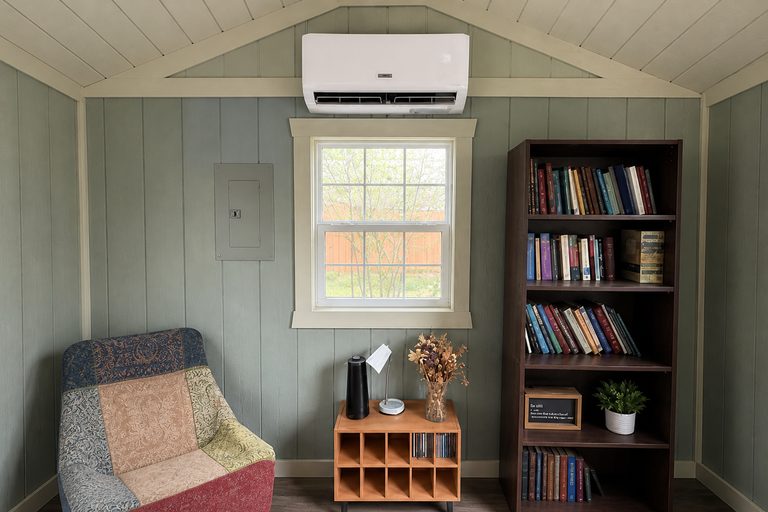
Mauldin's housing ranges from 1960s and 1970s ranch homes along Butler Road to modern builds near Bridges Road, creating a diverse mix of HVAC challenges. Ductless mini-split systems use individual air handlers mounted on walls or ceilings, connected to an outdoor compressor by a small refrigerant line. Each indoor unit provides independent temperature control for its zone. Our technicians are experienced with the range of systems found throughout Mauldin and provide the same thorough diagnostics and quality workmanship at every home.
The Bridgeway Station mixed-use development represents the direction Mauldin is heading, combining residential, retail, and office spaces in a walkable community. These modern buildings require properly engineered HVAC systems that balance energy efficiency with occupant comfort across different usage profiles. We work with property managers and business owners in Mauldin's commercial spaces to design and maintain systems that perform reliably year-round.
Our commitment to Mauldin homeowners extends beyond the service call. We offer Total Comfort Memberships that include priority scheduling, maintenance discounts, and peace of mind that your HVAC system is professionally maintained year-round. Each indoor unit's filters should be cleaned monthly for optimal efficiency and air quality.