About Our Air Quality Services in Powdersville
Whole-home solutions integrated with your HVAC system are more effective and economical than room-by-room portable units. Powdersville added 31.6 percent to its population between 2010 and 2020, going from 7,618 residents to 10,025, and Powdersville High School opened in 2011 as the first high school in the area. Most of the housing stock went up during that build-out, which means a large share of the systems installed between 2008 and 2015 are now at the age where compressors and coils begin failing. Whether your Powdersville home is decades old or brand new, we tailor our air quality approach to your specific equipment, ductwork, and comfort needs.
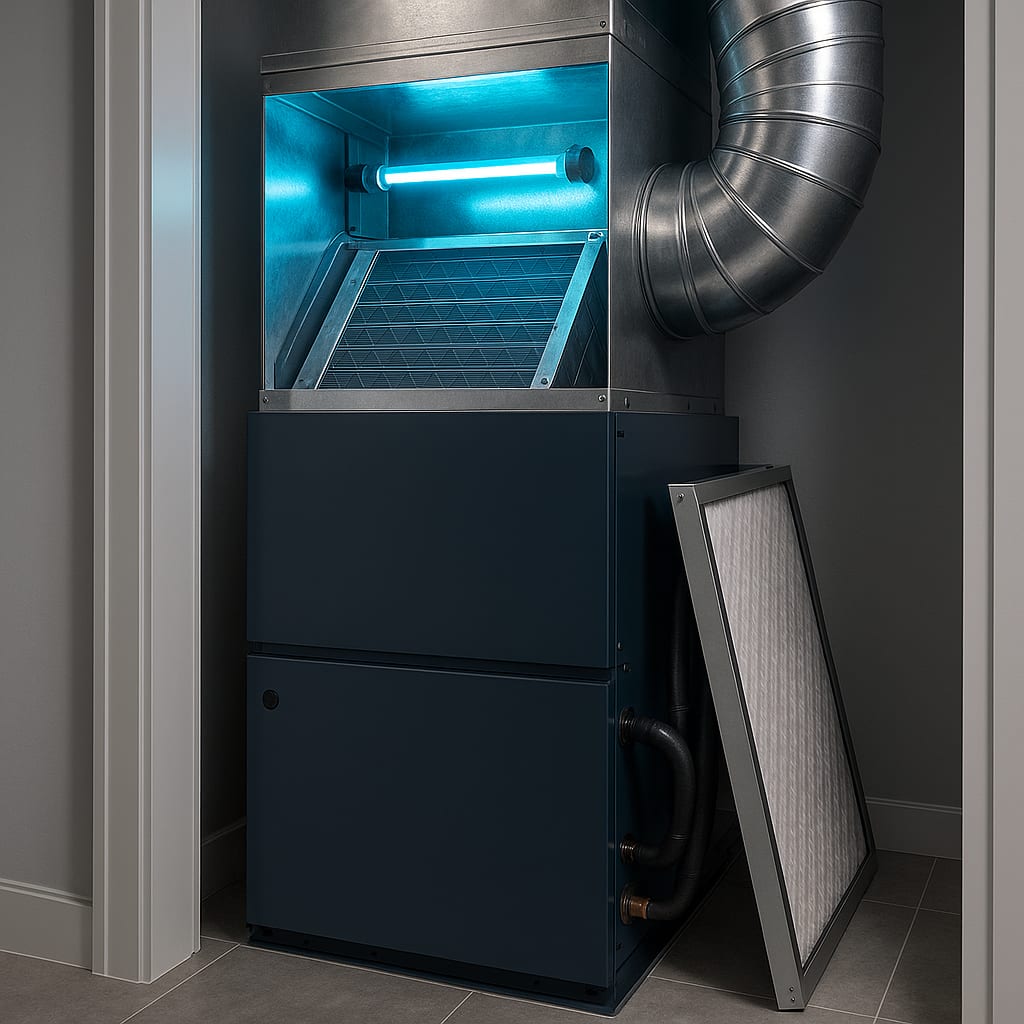
Many indoor air quality products can be added to your existing HVAC system during regular maintenance visits, minimizing installation costs. In Powdersville, these figures are particularly relevant because powdersville sits at 942 feet on the high ground between the pickens county line and the saluda river, well above the valleys on either side of it. lots in the newer subdivisions have not had time to grow mature shade, so west facing rooms take the full afternoon sun and run warmer than the rest of the house. Investing in quality air quality service and equipment pays dividends in both comfort and monthly energy savings for Powdersville homeowners.
One of the most common issues we encounter in Powdersville homes is builder-grade HVAC equipment that was selected for cost rather than comfort. While these systems meet minimum code requirements, they often lack the efficiency and features that homeowners expect. Upgrading to a higher-SEER air conditioner or adding a variable-speed air handler can significantly improve comfort and reduce energy costs. We also see many Powdersville homeowners adding whole-home generators after experiencing power outages from summer storms.
Our commitment to Powdersville homeowners extends beyond the service call. We offer Total Comfort Memberships that include priority scheduling, maintenance discounts, and peace of mind that your HVAC system is professionally maintained year-round. Pollen season in the Upstate runs from March through May, making spring the most impactful time to upgrade your home's filtration system.