About Our Cooling Services in Boiling Springs
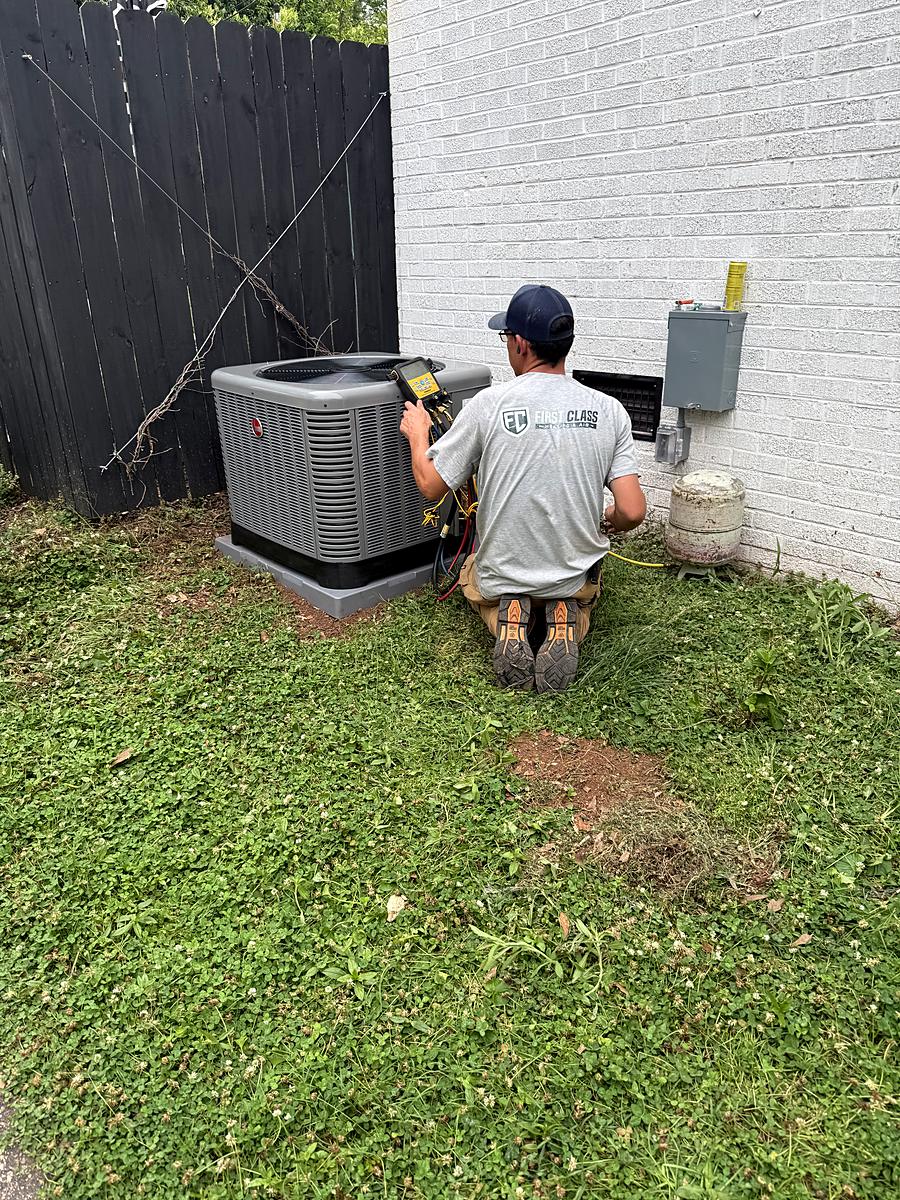
Builder-grade HVAC systems in these homes are now reaching the age where replacement or significant repair becomes necessary. The refrigerant transition from R-22 (Freon) to R-410A has made older systems increasingly expensive to maintain. R-22 production ended in 2020, and remaining supplies command premium prices that can make a single recharge more expensive than a new system's down payment. Our technicians are experienced with the range of systems found throughout Boiling Springs and provide the same thorough diagnostics and quality workmanship at every home.
Modern AC systems with SEER ratings of 16 or higher use variable-speed compressor technology that adjusts cooling output to match real-time demand, providing more consistent temperatures and significantly better humidity control than older single-speed units. For Boiling Springs homes near Highway 9 and Rainbow Lake, local conditions including the area's residential growth has increased impervious surface coverage, slightly elevating local temperatures during summer. These factors influence how we approach cooling service in your neighborhood.
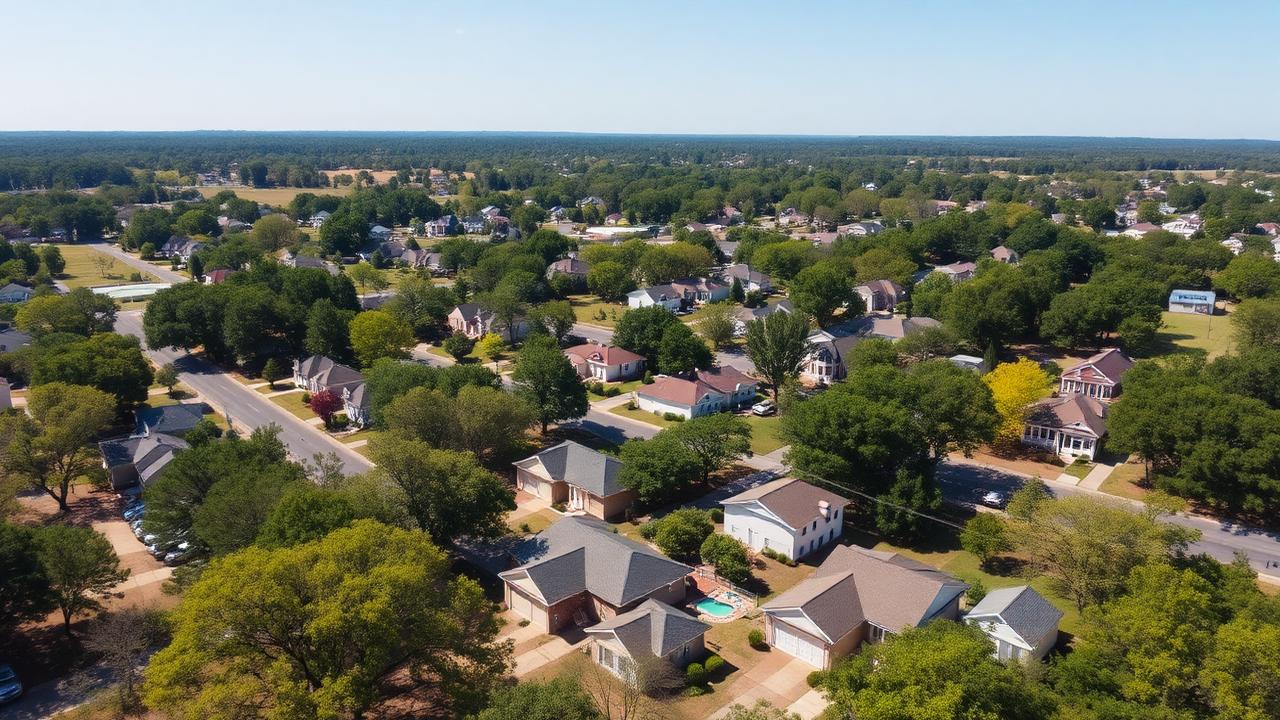
Boiling Springs has earned its reputation as one of the best places to raise a family in Spartanburg County, and the community's growth reflects that. Subdivisions like Stonewood, Willowbrook, and the developments along Rainbow Lake Road have added hundreds of new homes over the past decade, each needing reliable HVAC service from day one. We work with Boiling Springs homeowners to ensure their new systems are properly maintained from the start, protecting both their comfort and their manufacturer warranties.
Our commitment to Boiling Springs homeowners extends beyond the service call. We offer Total Comfort Memberships that include priority scheduling, maintenance discounts, and peace of mind that your HVAC system is professionally maintained year-round. Schedule AC maintenance in early spring before the cooling season begins, ideally March or April. This ensures your system is ready for the first hot day and avoids the scheduling rush that develops once temperatures climb into the 90s.