Why Greenville Homes Need Backup Power
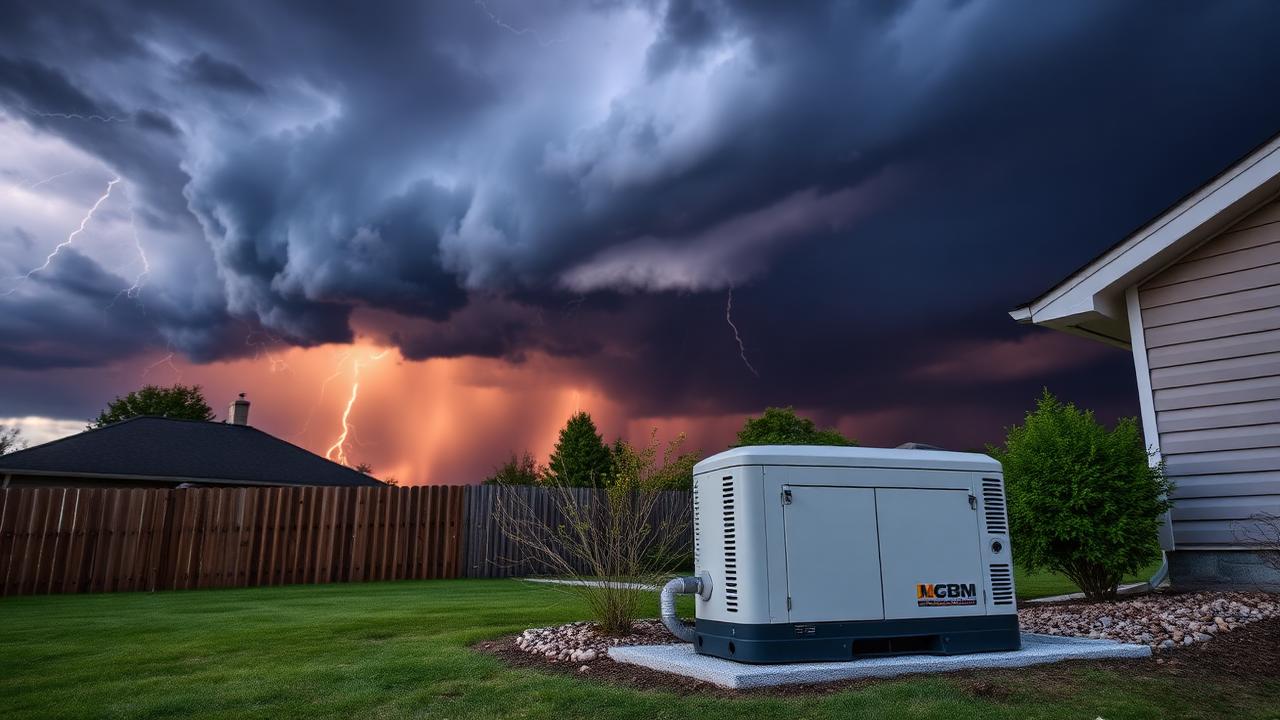
South Carolina is no stranger to severe weather. From summer thunderstorms to winter ice events, power outages can last hours or even days. For Greenville homeowners, a standby generator isn't a luxury, it's a practical investment in your family's comfort and safety.
Unlike portable generators, a standby generator kicks on automatically within seconds of a power outage. No running extension cords in the rain, no refueling, no carbon monoxide risks from running a gas generator indoors.
Standby vs. Portable Generators
Understanding the difference helps you make the right choice:
- Standby generators. Permanently installed, automatic activation, powers whole home, runs on natural gas or propane, professional installation required
- Portable generators. Manual setup, limited power, requires refueling, carbon monoxide risk if improperly used, good for temporary or occasional needs
Get Your Free Estimate in 30 Seconds
No obligation · Fast response · Flat-rate pricing
Essential Safety Tips
Whether you have a standby or portable generator, follow these safety guidelines:
- Never run a portable generator indoors or in an enclosed space, carbon monoxide is deadly
- Keep portable generators at least 20 feet from your home with exhaust pointed away
- Never connect a generator directly to your home's wiring without a transfer switch
- Schedule annual professional maintenance for standby generators
- Test your generator regularly, most standby units run weekly self-tests
- Keep fuel fresh and stored safely
Professional Installation Matters
A standby generator installation involves electrical permits, gas line connections, and transfer switch installation. This is not a DIY project, improper installation can create fire hazards, electrical dangers, and code violations.
First Class Heating & Air provides expert standby generator installation, maintenance, and repair in Greenville and surrounding areas. Call (864) 362-6255 to schedule a free assessment and learn which generator is right for your home.