About Our Heating Services in Boiling Springs
The EPA estimates that the average American household spends $900 annually on heating, but homes with aging, inefficient systems can pay significantly more. A system operating at 80 percent efficiency wastes $180 per year compared to one at 95 percent. In Boiling Springs, these figures are particularly relevant because the area's residential growth has increased impervious surface coverage, slightly elevating local temperatures during summer. Investing in quality heating service and equipment pays dividends in both comfort and monthly energy savings for Boiling Springs homeowners.
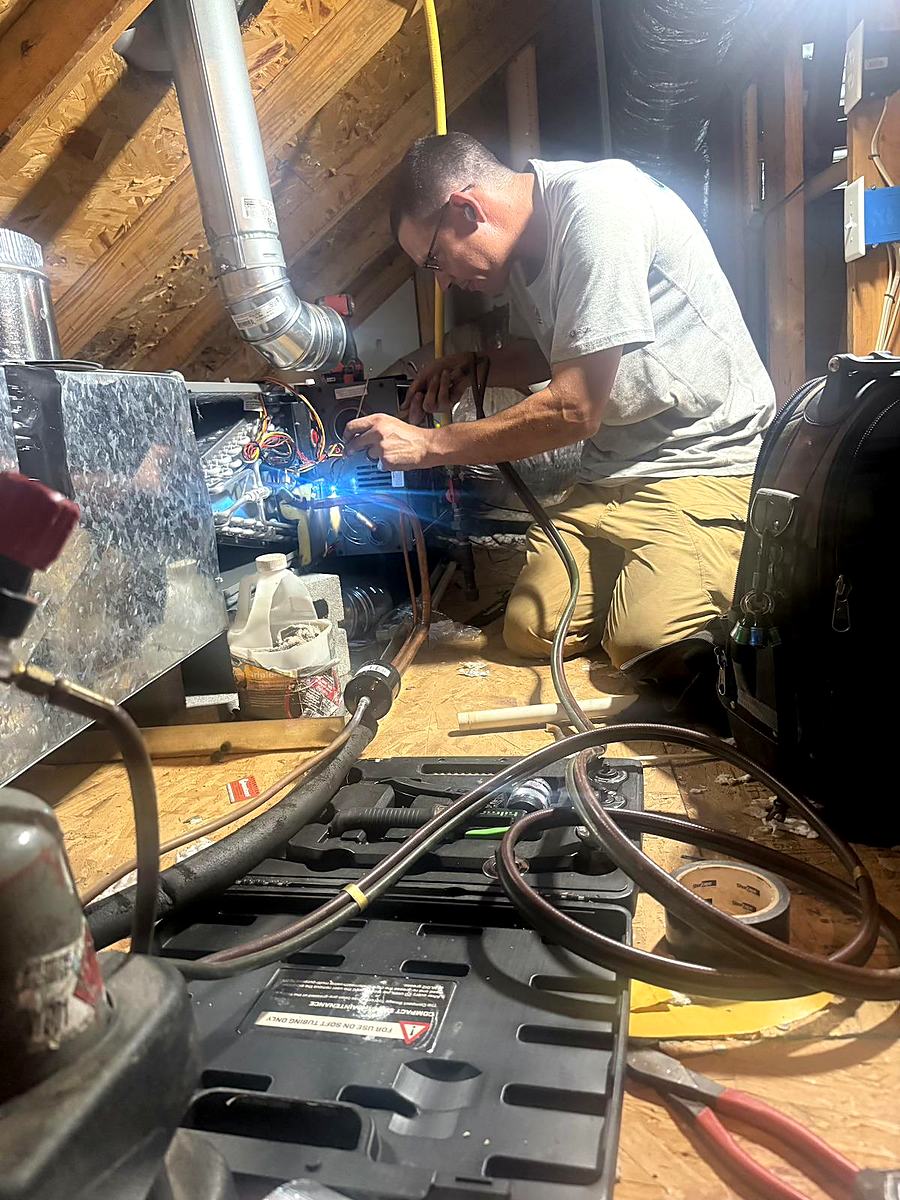
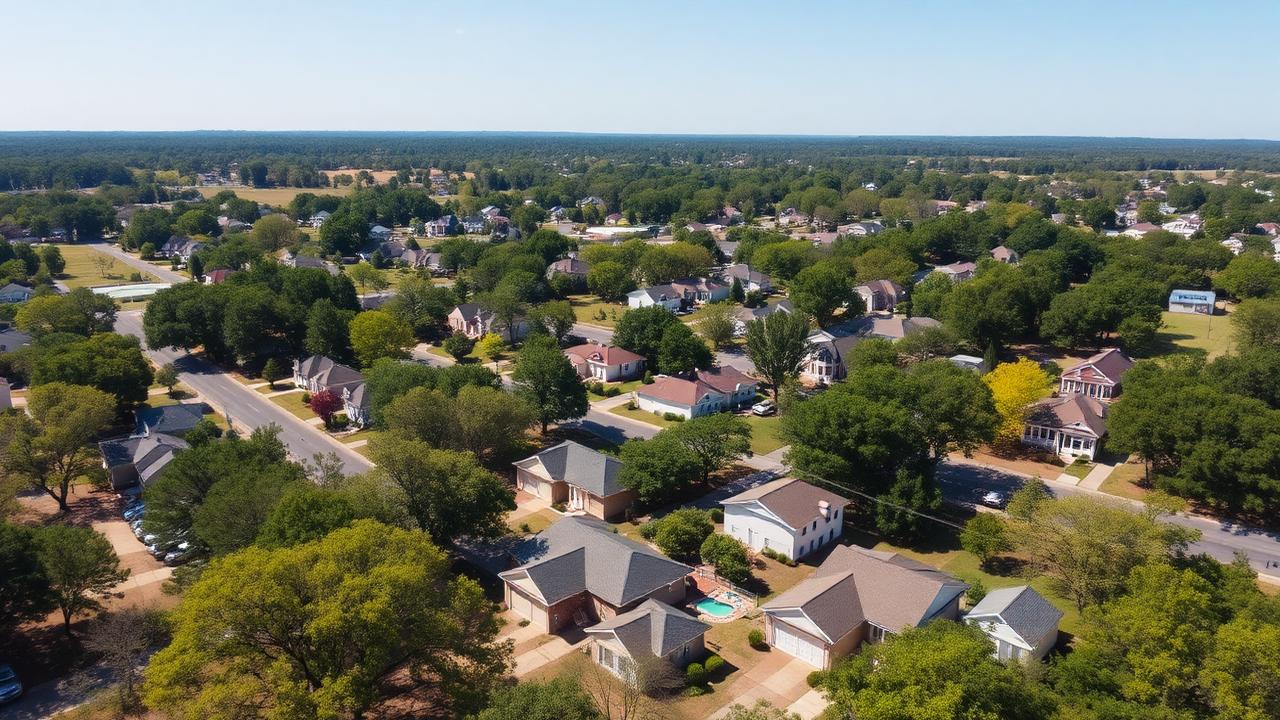
Boiling Springs features rapid residential development with numerous subdivisions built during the 2000s and 2010s construction boom. Modern gas furnaces achieve 95 to 98 percent AFUE (Annual Fuel Utilization Efficiency), meaning nearly every dollar spent on fuel is converted to usable heat. Older furnaces from the 1990s typically operate at 78 to 80 percent AFUE, wasting one-fifth of fuel costs. Our technicians are experienced with the range of systems found throughout Boiling Springs and provide the same thorough diagnostics and quality workmanship at every home.
The commercial growth in Boiling Springs, particularly along Highway 9 and near the Spartanburg Community College campus, has created demand for commercial HVAC service in the area. We work with Boiling Springs restaurants, retail shops, and professional offices to install and maintain climate control systems that keep customers and employees comfortable. Our commercial contracts include priority emergency service and flexible scheduling that minimizes disruption to your business operations.
Our commitment to Boiling Springs homeowners extends beyond the service call. We offer Total Comfort Memberships that include priority scheduling, maintenance discounts, and peace of mind that your HVAC system is professionally maintained year-round. During winter, keep your thermostat at a consistent temperature rather than dramatically lowering it when away. Heat pumps especially perform best when maintaining steady temperatures rather than recovering from deep setbacks.