About Our Air Quality Services in Greer
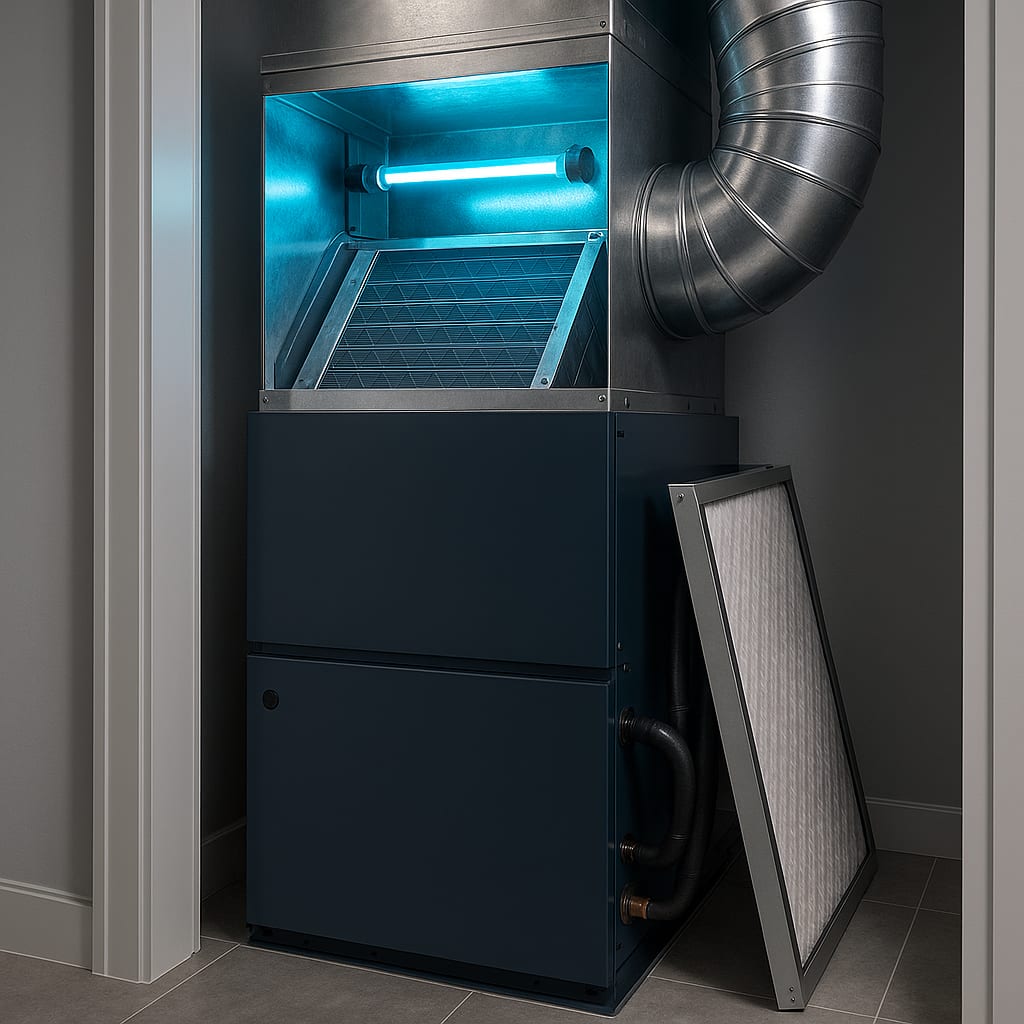
Improved indoor air quality reduces allergy and asthma symptoms, eliminates odors, controls humidity, and creates a healthier living environment for your entire family. Downtown Greer's historic Trade Street corridor features homes from multiple eras, while newer subdivisions along Highway 14 have modern construction with builder-grade systems. Whether your Greer home is decades old or brand new, we tailor our air quality approach to your specific equipment, ductwork, and comfort needs.
Indoor air quality improvements range from simple filter upgrades to comprehensive whole-home systems. We assess your specific concerns and recommend solutions that match your priorities and budget. In Greer, these figures are particularly relevant because the area near the tyger river and gsp airport corridor experiences unique weather patterns influenced by the terrain and regional air traffic patterns. Investing in quality air quality service and equipment pays dividends in both comfort and monthly energy savings for Greer homeowners.
Greer's position between Greenville and Spartanburg means it experiences the full range of Upstate weather patterns, from intense summer heat that pushes AC systems to their limits, to winter cold snaps that can catch heating systems off guard. The area along Highway 14 and Wade Hampton Boulevard sees particularly high traffic and commercial activity, and we serve many Greer businesses with commercial HVAC installation and maintenance contracts.
Our commitment to Greer homeowners extends beyond the service call. We offer Total Comfort Memberships that include priority scheduling, maintenance discounts, and peace of mind that your HVAC system is professionally maintained year-round. During winter when homes are sealed tight, ventilation and humidity control become especially important for preventing stuffiness and moisture-related problems.