About Our Air Quality Services in Taylors
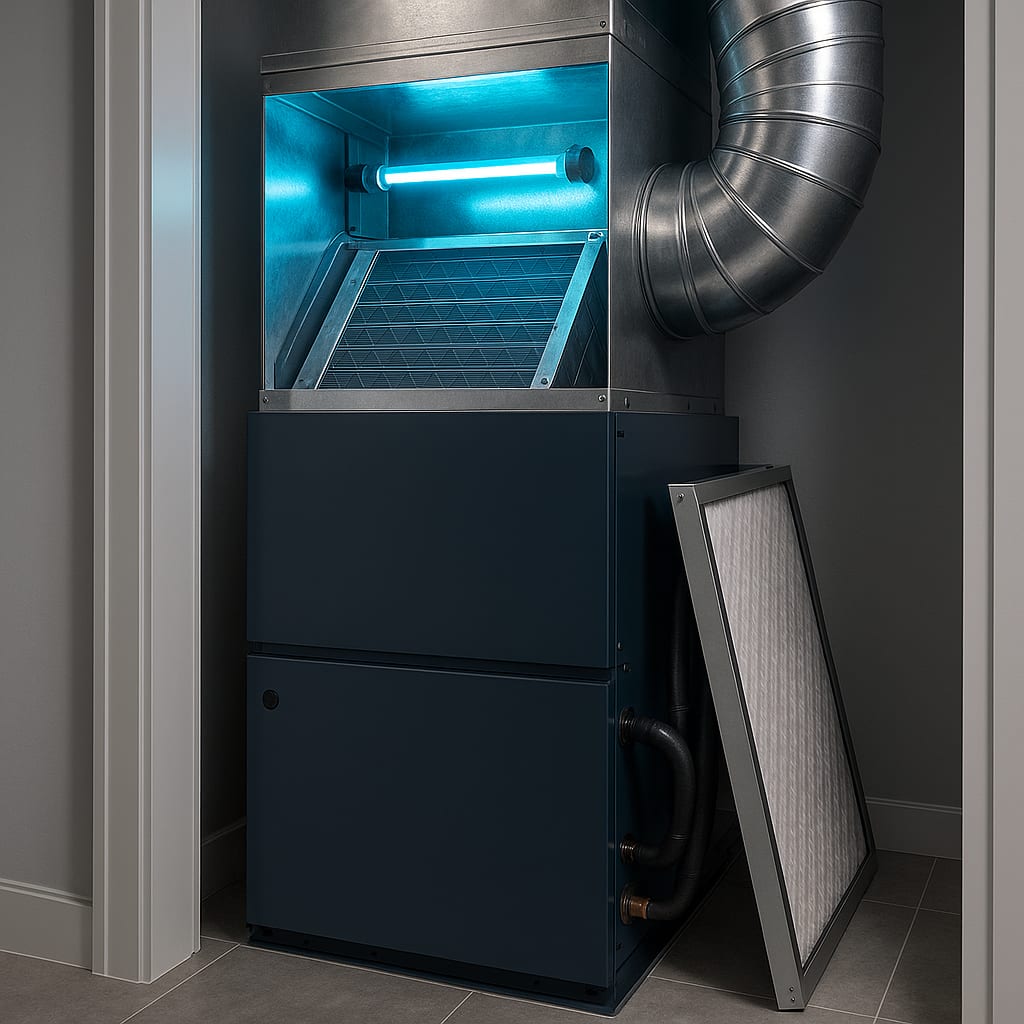
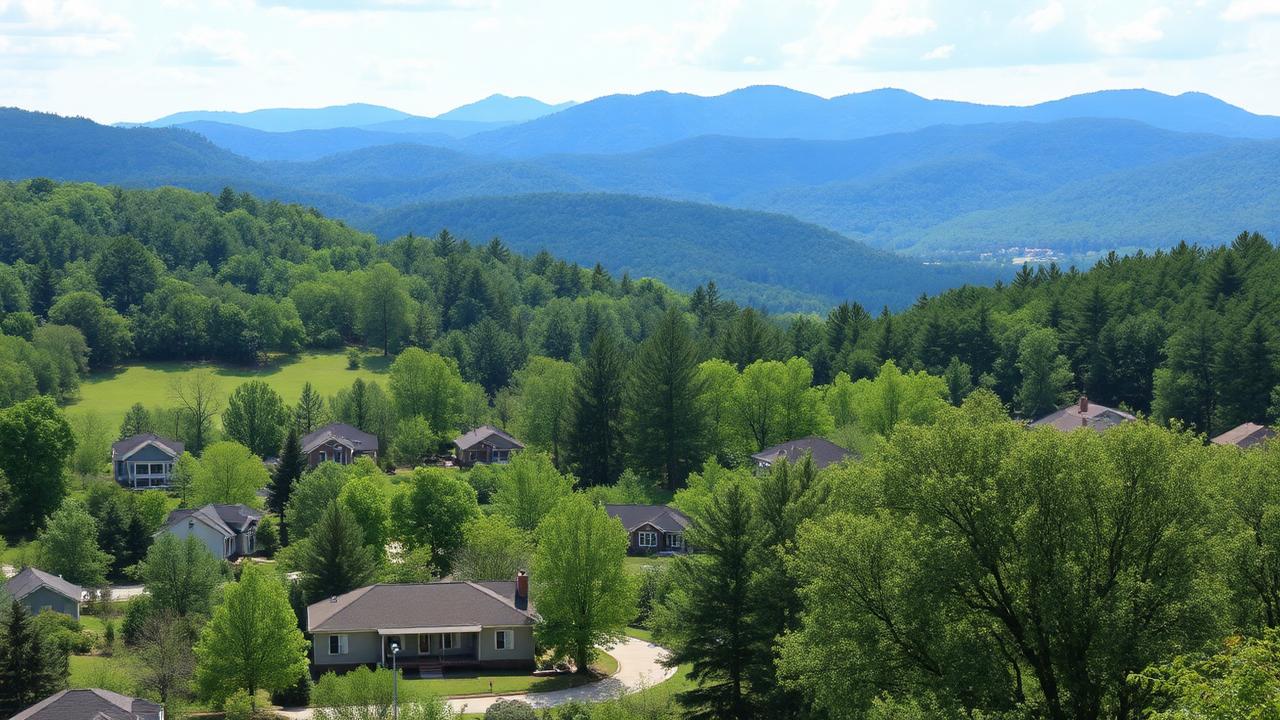
Indoor air quality solutions include HEPA filtration, UV germicidal lights, whole-home dehumidifiers, energy recovery ventilators, and electronic air cleaners that integrate with your existing HVAC system. For Taylors homes near Taylors First Baptist and Wade Hampton Boulevard, local conditions including the heavy tree canopy reduces direct sun exposure but increases pollen, organic debris, and moisture levels that affect hvac system performance and maintenance needs. These factors influence how we approach air quality service in your neighborhood.
During winter when homes are sealed tight, ventilation and humidity control become especially important for preventing stuffiness and moisture-related problems. Taylors residents near Paris Mountain State Park and North Pleasantburg Drive should pay particular attention to seasonal HVAC maintenance because the heavy tree canopy reduces direct sun exposure but increases pollen, organic debris, and moisture levels that affect hvac system performance and maintenance needs.
Taylors' location near the foothills means slightly more elevation change than downtown Greenville, which can affect heating loads during winter cold snaps. Heat pumps are extremely popular in Taylors because they handle both heating and cooling efficiently in our climate, but they do require annual maintenance to keep performing at peak efficiency. Our Total Comfort Membership is the most popular service plan among Taylors homeowners because it covers both seasonal tune-ups at one affordable price.
Indoor air quality improvements range from simple filter upgrades to comprehensive whole-home systems. We assess your specific concerns and recommend solutions that match your priorities and budget. Taylors homeowners who invest in proactive air quality service and maintenance save significantly compared to those who wait for emergencies. Contact us to discuss how we can help optimize your HVAC investment.